The 5 Best Travel Accessories on Amazon (April 2026)
Disclosure: This article may contain affiliate links. If you buy through these links, Bestsellers Zone may earn a commission at no extra cost to you. Our recommendations stay editorially independent.
This guide helps you decide confidently on travel accessories that reduce friction and improve comfort on the move. We focus on practical fit, day-to-day usability, and long-term comfort so you can choose the right option without overpaying for features you will not use.
The 5 Best Travel Accessories on Amazon (April 2026) at a Glance
| Decision Priority | What Matters Most |
|---|---|
| Daily Comfort | Fit for your routine, session length, and body mechanics |
| Performance | Reliable core function under normal use conditions |
| Durability | Build quality and repeatable results over time |
What to Choose Based on Your Situation
If your priority is simplicity and speed, choose the option with fewer moving parts and easier setup. If your priority is long sessions and repeatable outcomes, prioritize adjustability, stable performance, and easier maintenance.
For shared spaces, prefer straightforward controls and clear defaults. For personal setups, optimize for your longest use window because that is where comfort and quality differences are most obvious.
Ergonomics: The Non-Negotiables
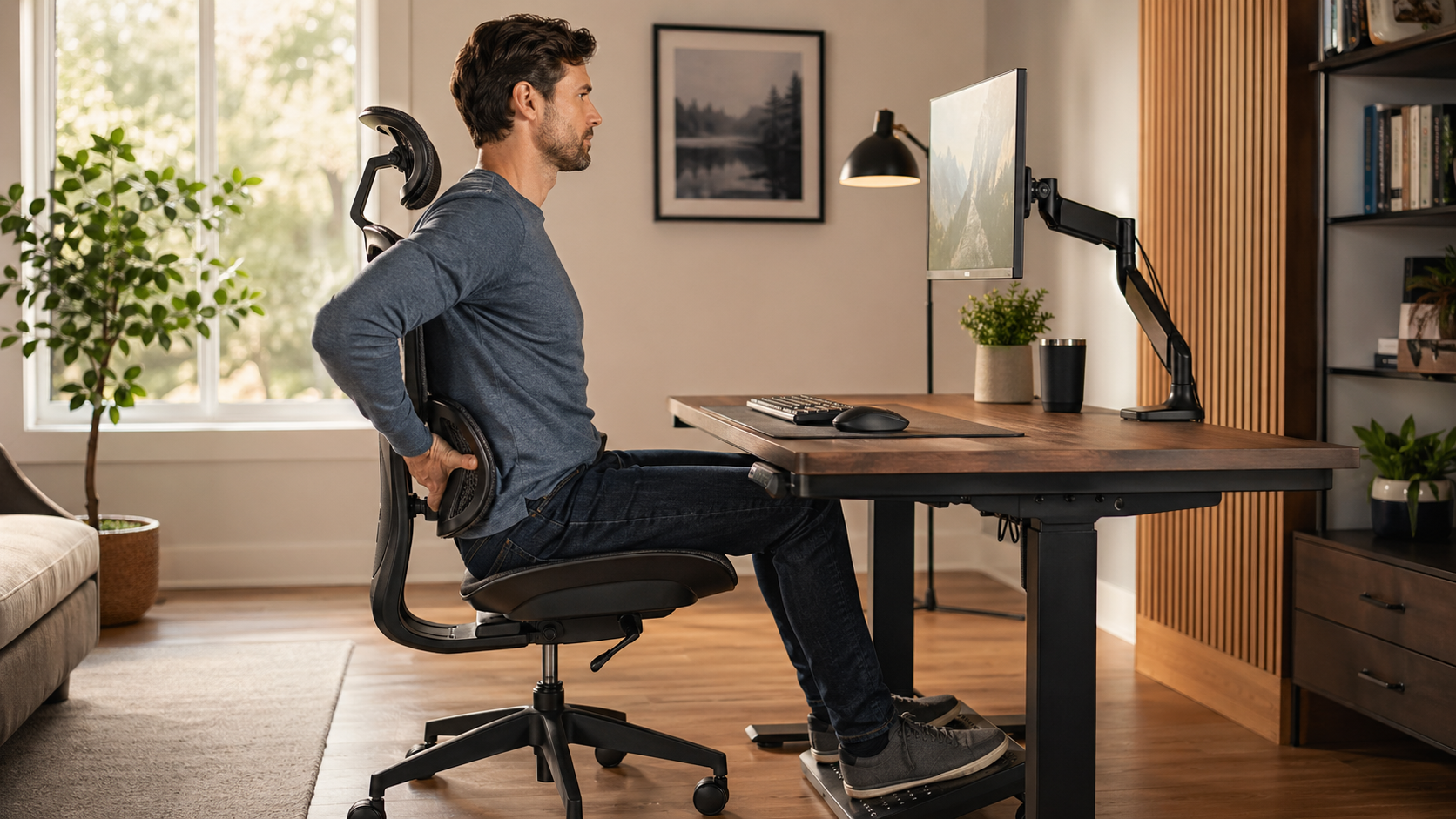
- Choose a setup that keeps posture neutral and movement natural.
- Reduce repetitive strain by matching product size and height to your workspace.
- Avoid forcing awkward reach, wrist extension, or shoulder elevation.
- Prioritize consistency: a good setup should feel good every day, not just initially.
Recommended Add-Ons
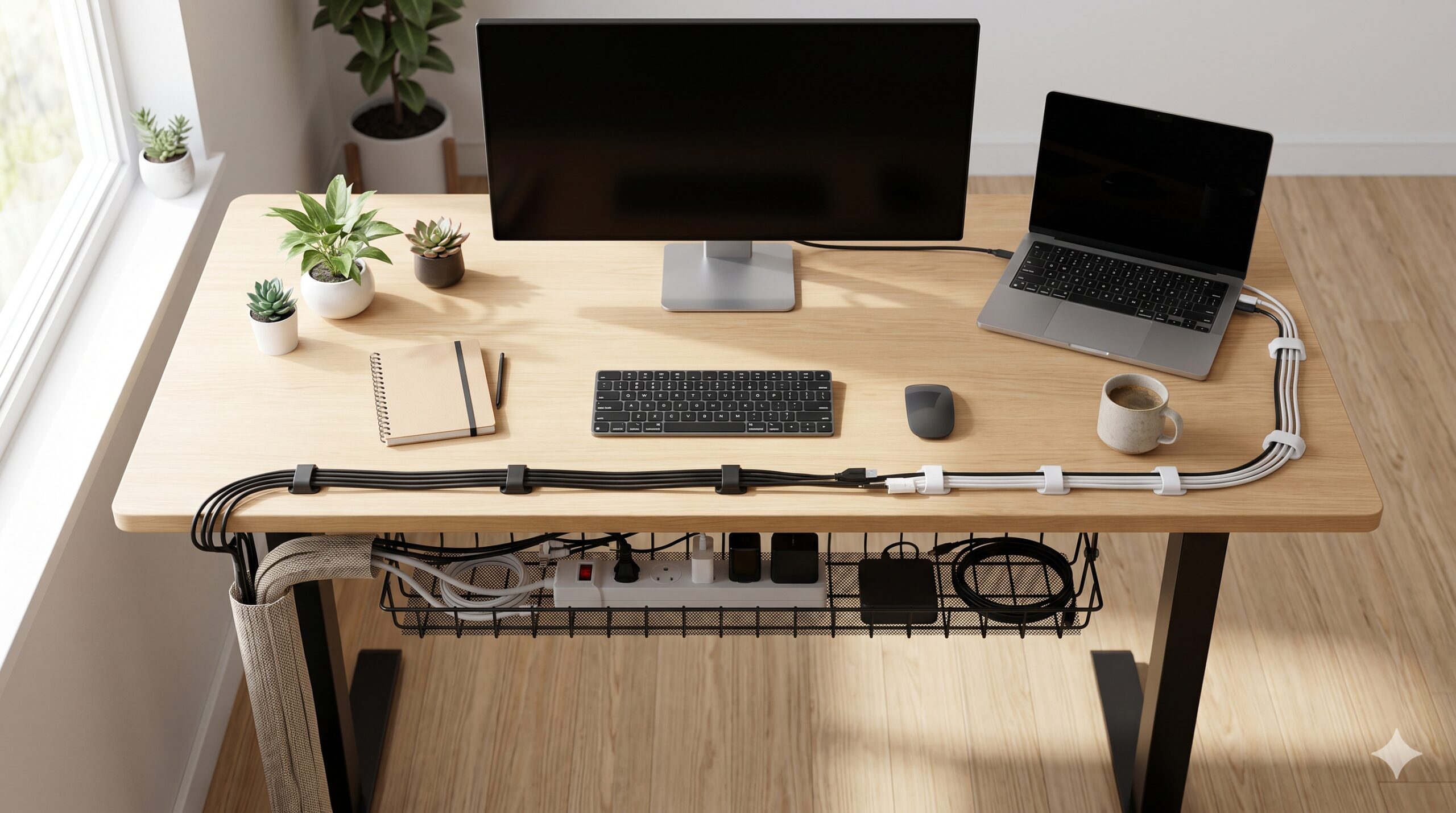
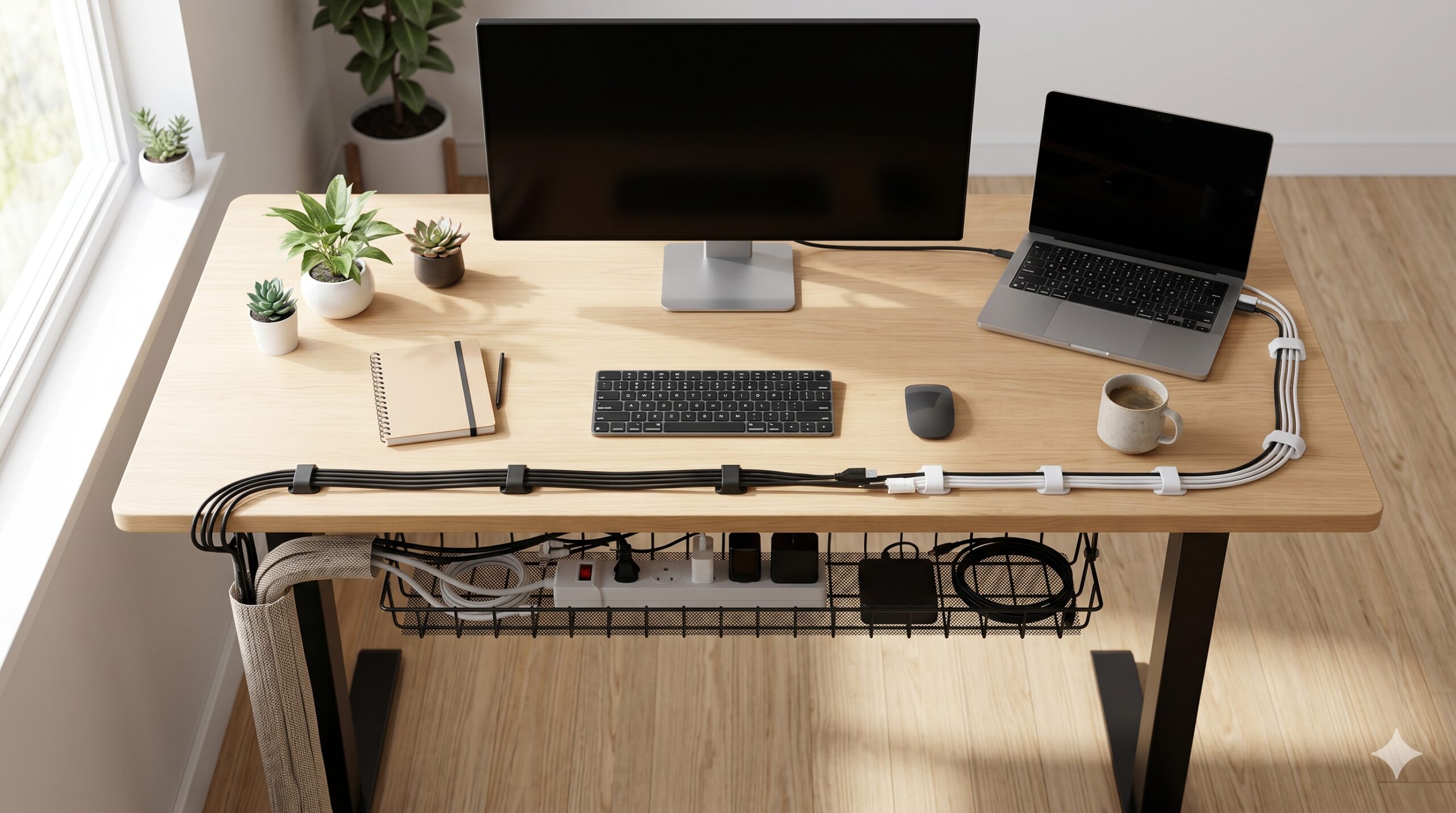
- Cable and workspace organization tools
- Comfort accessories matched to your setup
- Simple maintenance items for long-term reliability
Editorial note: We do not show numeric prices because pricing and currency vary by marketplace.
Buying Criteria We Use for This Recommendation
To keep recommendations practical, we evaluate products against clear criteria that matter in daily use: comfort, durability, adjustability, workflow fit, total cost of ownership, and setup effort. We prioritize long-term usability over short-term gimmicks, and we call out trade-offs where a cheaper option may suit light use while a premium option is better for all-day workloads.
For ergonomic and workspace products, fit is context-dependent. Room size, desk depth, monitor height, keyboard/mouse positioning, and typical session length all influence which option is actually best. That is why this guide emphasizes use-case matching instead of one-size-fits-all recommendations.
Common Mistakes to Avoid Before You Buy
- Buying for specs alone: A strong spec sheet does not guarantee comfort or workflow compatibility.
- Ignoring dimensions: Always verify desk depth, clearance, cable routing, and reach distance before purchasing.
- Skipping adjustability: Products with narrow adjustment ranges often create strain during longer sessions.
- Overlooking return and warranty terms: Flexible returns and clear warranty coverage reduce purchase risk.
Who This Is Best For (and Who Should Skip)
Best for: Buyers who want a practical shortlist, clear trade-offs, and options matched to real workspace constraints and budgets.
Consider alternatives if: You need niche enterprise features, strict medical-grade requirements, or highly specialized compatibility that general consumer models do not prioritize.
Final Checklist Before Purchase
- Confirm dimensions and compatibility with your current setup.
- Compare total value (not just headline price), including accessories and warranty.
- Prioritize comfort and consistency for your daily workload.
- Choose the option that best fits your actual workflow, not only the most popular listing.
How to Choose Based on Your Workspace
Start with your available desk area, your typical working posture, and the tasks you repeat daily. If you alternate typing, calls, and deep-focus work, choose options that minimize friction between those modes. Small ergonomic gains compounded across weeks usually beat flashy features that are rarely used.
When two products seem close, the better choice is usually the one that supports consistent posture, easier setup, and cleaner cable/accessory management in your exact environment.
Quick Decision Summary
If you want the safest default choice, prioritize comfort consistency, adjustment range, and fit with your existing desk dimensions. If your budget is tighter, choose the option that resolves your biggest ergonomic pain point first, then expand your setup incrementally based on measured improvements in comfort and productivity.
How We Ranked These Picks
We ranked options by practical ownership value: comfort during extended sessions, durability under daily use, setup simplicity, compatibility with common desk sizes, and return/warranty confidence. We also considered how easy each option is to tune after the first week of use.
Who Should Buy Which Type
- Entry-level buyers: choose simple, reliable models with broad compatibility.
- Heavy daily users: prioritize adjustability range and build stability over cosmetic features.
- Small-space setups: prioritize compact geometry and cable-management friendliness.
Search Questions People Ask (Value & Ownership)
How do I compare products beyond headline specs?
Compare maintenance burden, return flexibility, warranty clarity, and day-to-day usability. These ownership factors often decide long-term value.
What is the safest buying strategy for most users?
Choose the model that solves your primary use case with fewer compromises, then optimize with accessories only if they create measurable benefit.
How can I reduce buyer regret?
Verify size/fit compatibility, check replacement part availability, and review support policies before purchase.
Entities covered: total cost of ownership, warranty terms, return window, daily maintenance, compatibility checks.
Final Verdict
The strongest pick is the one that remains comfortable and efficient in your real daily routine, not just during quick tests. Prioritize consistency and fit; those factors produce the biggest long-term productivity gains.
Related reads: standing desk converter vs electric standing desk, monitor arm weight-capacity guide, and lower-back desk setup guide.
Last updated: April 26, 2026. Next review: within 90 days or sooner if major product/pricing changes occur.
Advanced Buying Notes
When evaluating close options, compare adjustment precision, setup repeatability, and failure points under regular use. Practical reliability and ease-of-use usually determine long-term satisfaction more than premium feature lists.
Document your baseline setup and retest after one week. If comfort improves with fewer adjustments, you likely selected the right configuration.
Implementation Checklist You Can Use Today
Start with a baseline measurement in your real workspace: monitor centerline, keyboard reach, mouse position, and comfort after a 45-minute work block. This gives objective before-and-after evidence for every adjustment.
- Identify the primary discomfort trigger first.
- Change one variable at a time to isolate impact.
- Retest during typing, meetings, and reading tasks.
- Keep only changes that improve repeatable comfort.
Long-Term Maintenance and Recheck Routine
Recheck your setup every 30 to 60 days and after any equipment change. Tighten mounts, verify posture anchors, and ensure monitor/keyboard alignment still supports neutral positioning through full work sessions.
If discomfort persists for three consecutive workdays, rerun your checklist and correct the highest-impact variable first.
Buyer Scenario Walkthroughs
Small-desk scenario: choose compact, stable layouts that preserve forearm support and clear sightlines.
Full-time remote scenario: prioritize stability under frequent adjustments and repeatable cable-safe movement.
Shared-desk scenario: define quick reset points so users can return to a known-good posture in under two minutes.
Budget-first scenario: fix the highest-impact pain point first, then layer accessories only if measurable gaps remain.
Decision Confidence Check
Before finalizing, confirm workspace fit, all-day comfort consistency, and reliable adjustment behavior. If these three hold, the setup is likely robust long term.
Practical Validation Before Final Decision
Validate changes through a full workday across focused work, meetings, and reading. Keep adjustments that reduce strain consistently, and remove those that require frequent correction.
Use this validation loop to ensure decisions are based on sustained comfort rather than short-term impressions.